
How to choose a TV by how you use it
Guided pick
315 new TVs compared, with today’s price (05/11/2026).
Step 1 of 7
Check what you do
Each use asks for something different from the spec sheet.
A TV built for a console is too expensive for someone who only watches the news, and a basic TV disappoints someone who watches movies with dark scenes. Check what you do. In each step below, the rule comes with the TVs in today’s catalog that meet it.
Step 2 of 7
Movies and shows
Here the picture matters most: panel, resolution and HDR.
For movies and shows, what the spec sheet says most about is the panel type and the resolution. The Radar’s rule for this use: 4K resolution e OLED, Mini LED or QLED panel (includes QNED and NanoCell). The spec sheet doesn’t measure real contrast or peak brightness, so the scale separates strong spec sheets from basic ones; it doesn’t decide the picture in your room.
207 of the 315 TVs in the catalog meet this rule. Their median price is $800.00 and the median spec sheet score is 8.7. The cheapest:


The three with the highest picture score on the spec sheet, today:


Don’t know the difference between OLED, QLED and Mini LED? Read OLED, QLED, Mini LED or LED: what’s the difference.
Step 3 of 7
Gaming (PS5, Xbox, PC)
Native refresh rate and HDMI 2.1.
To play on a PS5, an Xbox or a PC, the rule is the native refresh rate of 120 Hz e o HDMI 2.1, which carry 4K at 120 frames per second from the port to the screen. Only models with both confirmed on the spec sheet are included.
No TV in today’s catalog meets this rule.
254 of the 315 TVs in the catalog don’t list it the native rate and 314 don’t confirm it HDMI 2.1; they stay left out of this filter, even though they may have the feature. The three with the highest gaming score on the spec sheet today:


The full breakdown of 120 Hz, HDMI 2.1 and VRR, with what each acronym changes on the console, is in TV for gaming: 120 Hz, HDMI 2.1 and VRR.
Step 4 of 7
Sports and action
Motion.
Sports and action show the picture in motion. The rule: 4K resolution e native refresh rate of 120 Hz or more. Marketing rates, which add software effects, don’t count: only the native rate listed on the spec sheet.
61 of the 315 TVs in the catalog meet this rule. Their median price is $900.00 and the median spec sheet score is 8.8. The cheapest:

Step 5 of 7
Bedroom or big living room
The right size depends on how far the couch is.
Size is not part of the score, because bigger is not better: it depends on where the TV will go. For the bedroom and kitchen, the rule is up to 43 inches; for a big or bright living room, 70 inches or more with an OLED, Mini LED or QLED panel. Choosing by panel for a bright room is an editorial call: peak brightness is rarely on the spec sheet.
75 of the 315 TVs in the catalog meet this rule. Their median price is $210.00 and the median spec sheet score is 8.2. The cheapest:
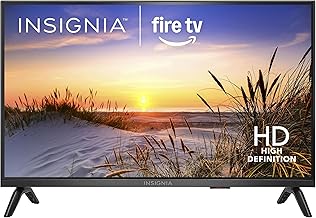


89 of the 315 TVs in the catalog meet this rule. Their median price is $1,250.00 and the median spec sheet score is 8.8. The cheapest:


The catalog has 75 TVs of up to 43 inches, with a median price of $210.00, and 104 of 70 inches or more, with a median of $1,198.00.
Size comes from the distance between the couch and the screen: see What TV size fits your living room.
Step 6 of 7
Simple, low-cost use
The basics that work.
If you just want to watch regular TV and a streaming service, you don’t need to pay for a high-end feature. The rule: Full HD or 4K, without requiring a special panel or a high refresh rate. Also pick your maximum price in the next step of "Help me choose".
302 of the 315 TVs in the catalog meet this rule. Their median price is $627.00 and the median spec sheet score is 8.7. The cheapest:
To keep the same TV for years, it is worth looking at the system: the rule for the "keeping the same tv for years" use asks for a system the manufacturer maintains: Google TV, webOS or Tizen, and 138 TVs in the catalog meet it.
Step 7 of 7
When paying more stops paying off
The price rises faster than the score.
Today’s update doesn’t have enough scored TVs in neighboring ranges to calculate the cost of each point.
Which panel, which rate and which size each use calls for
- 315TVs in the catalog
- 05/11price date
Each use calls for a minimum on the spec sheet. For the bedroom, up to 43″: 75 TVs in the catalog fit, from $70.00. Movies, gaming and sports call for more on the spec sheet, and the price goes up with it.
| If you mostly use it for | You need | TVs that meet it | From |
|---|---|---|---|
| Movies and shows | 4K and an OLED, Mini LED or QLED panel | 207 of 315 | $180.00 |
| Sports and action | 4K and 120 Hz | 61 of 315 | $250.00 |
| Bedroom or kitchen | up to 43″ | 75 of 315 | $70.00 |
| Big or bright living room | 70″ or more and a QLED, Mini LED or OLED panel | 89 of 315 | $450.00 |
| Simple, low-cost use | Full HD or 4K, without paying for high-end features | 302 of 315 | $70.00 |
The best by price range
Next step
See the TVs that fit your criteria
Each point is a new TV, by price and spec score.
Frequently asked questions
Do I need a 120 Hz TV?
For movies and regular TV, no: 60 Hz is fine. A native 120 Hz rate helps with console games and sports. In the 05/11/2026 catalog, 61 4K TVs list 120 Hz or more, with a median price of $900.00.
Is it worth paying more for a TV?
It depends on the range. The overview shows what each score point costs when the update has enough TVs.
Is a 4K TV worth it over Full HD?
The difference shows more on big screens and with 4K content, like streaming and consoles; on a small screen seen from far away, it is smaller. In the 05/11/2026 catalog, 261 of the 315 TVs are 4K or higher. Resolution is part of the picture score, and you compare the price of each one at the same size.
How can you tell if a TV is good without seeing it in person?
Use the Radar’s spec sheet score, from 0 to 10. It combines picture, gaming, system, connections, audio and how current the model is, with public weights. Compare TVs of the same size and a similar price and look at the component that matters for your use. The score does not measure real contrast, peak brightness or durability.
Which TV has the best picture for the price?
By the spec sheet, the ones with the highest picture score today are Roku Pro Series 55″ ($900.00), Samsung S90F 65″ ($1,498.00), Samsung S84F 77″ ($1,580.00). The picture score reads panel, resolution and HDR, and doesn’t measure the picture in your living room. To judge the real picture, see the TV turned on in a store before you buy.
How do I read the chart?
Each dot is a new TV. The further right, the more expensive; the higher up, the better the spec sheet score. Price uses a logarithmic scale: each division is worth more dollars than the one before, so the cheaper TVs don’t pile up. The line connects the TVs that no other filtered TV beats on both score and price at once. Compare TVs of the same size: price goes up with the inches.
Where does the score come from?
From the TV’s spec sheet, with public weights (image, gaming, system, connections, audio e recency). Size is not included: bigger is not better. It shows what the spec sheet promises, not how the TV performs in your living room. The full math is in How we calculate the score.
Why do some TVs show no score?
Because the store’s spec sheet doesn’t list enough: we need at least the panel or the resolution plus three more items. We would rather leave a TV without a score than make one up. Those TVs stay off the chart and remain in the table, with the price and the button to compare stores.
Is the price on the chart what I’ll pay?
This is the lowest upfront price from the store itself or a seller rated 4.5 with 100 or more sales on the date we checked. It changes without notice. The buy button goes straight to the store, where the price of the day applies.
Read next
Where the numbers come from
Each rule is a Radar criterion, not a standard: we pick minimums for panel, refresh rate and size that fit the use described. The numbers (how many TVs pass, median price, the cheapest) come from the update’s catalog.
The guide helps you decide and doesn’t recommend a TV for you: the final price is the one at the store, and the spec score doesn’t measure real contrast or durability.
Data from Nov 5, 2026.