

Lenovo Tab One
Today
Previous check$150
Amazon: the cheapest today among the stores checked
4.6 out of 10 on the spec sheet
Buy on Amazon Tablet Radar
Updated Nov 16, 2026
Tab One costs $35 less today; Redmi Pad 2 9.7″ has score 2.4 higher (7.0 vs. 4.6).
4.6score
7.0score · higher
Lenovo wins 0by componentXiaomi wins 1
Lenovo Tab One is $35 the cheaperXiaomi Redmi Pad 2 9.7″ is the cheaper
By the spec rule for each use, the same one the lists on this site use.
Neither one fits: Tablets for studying and note-taking, Tablets for watching videos and shows, Kids tablets, Tablets for working with a keyboard, Tablets for gaming, Tablets for reading, Cheap tablets worth buying.
Redmi Pad 2 9.7″ wins on longevity.
Amazon: the cheapest today among the stores checked
4.6 out of 10 on the spec sheet
Buy on AmazonAmazon: the cheapest today among the stores checked
7.0 out of 10 on the spec sheet +2.4
Buy on AmazonAffiliate links: if you buy, the store pays us a commission at no cost to you.
Updated 16/11/2026
| Item | Tab One | Redmi Pad 2 9.7″ |
|---|---|---|
| Performance | ||
| Chip changes | MediaTek Helio G85 | not listed |
| RAM | 4 GB | 4 GB |
| Storage changes | 64 GB | 128 GB |
| Screen | ||
| Size changes | 8.7 inches | 9.7 inches |
| Resolution changes | 1280 x 800 | not listed |
| Sharpness changes | 173 ppi | not listed |
| Screen type changes | LCD | not listed |
| Refresh rate changes | 60Hz | 120Hz |
| Battery and features | ||
| Battery changes | not listed | 7,600 mAh |
| Mobile data | Wi-Fi | Wi-Fi |
| General | ||
| System changes | Android | not listed |
| System version changes | 14 | not listed |
| Release changes | 2025 | 2026 |
 Tab One orApple iPad 10th gen$119 · score 5.0Compare
 Redmi Pad 2 9.7″ orApple iPad mini A17 Pro$499 · score 6.9Compare
 Tab One orLenovo Tab M9$119 · score 3.5Compare
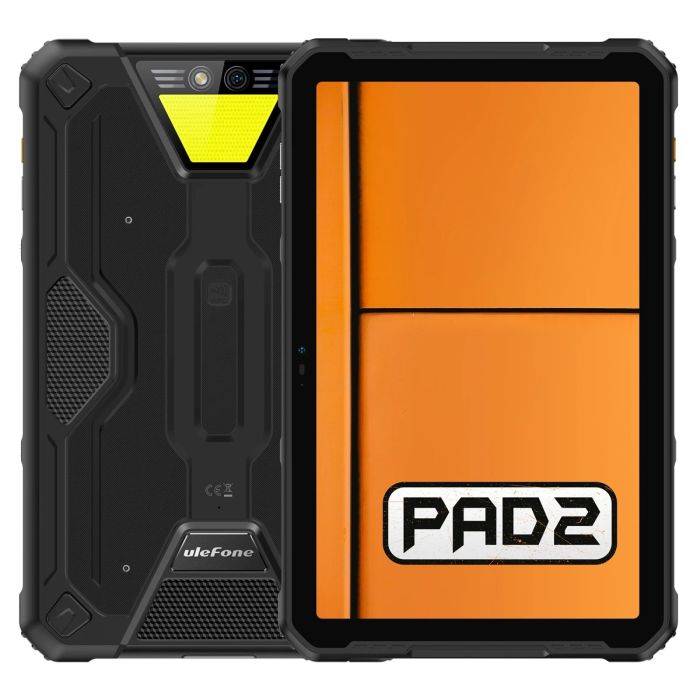 Redmi Pad 2 9.7″ orGshopper IP68 11″$300 · score 5.5Compare
 Tab One orXiaomi Redmi Pad Pro$80 · score 6.8Compare
 Redmi Pad 2 9.7″ orLenovo Tab K11$270 · score 4.7Compare
Source: Amazon.com catalog, checked on 16/11/2026.
Lowest price seen for the product on Amazon.com, shipped to New York 10001, on the day it was read, before sales tax. The model is the brand plus the name of the tablet; the versions go in the table. The price range, the median and the position use only models with a score; the price comparison looks at models whose score is within 0.5 points.
The spec score doesn’t measure real-world performance or durability, and the strong or weak point reading is just a comparison of numbers, not a buying recommendation.